


Greener Transport Council is an independent group of leading academics and other experts focused on accelerating the decarbonisation of transport and the transition to net zero in a fair and just way. The Council’s primary purpose is to help ensure that emissions reductions are delivered at the scale and pace required to achieve the net zero targets.
Members serve in a voluntary and personal capacity and are motivated by the urgency of the climate crisis, the lack of progress on delivering emissions reductions at the pace and scale required and the need for evidence-based policy making. Further information about the Council can be viewed here: Terms of Reference | January 2024

Claire Haigh, Founder & CEO of Greener Vision, chaired the Greener Transport Council 2021-23. She is Executive Director of Zemo Partnership, Chair of the Delivery & Impacts Independent Review Panel for the Government’s Joint Air Quality Unit (DfT/Defra), and Executive Director of the Transport Knowledge Hub. She was formerly Chief Executive of sustainable transport group Greener Journeys, Vice-Chair of Zemo Partnership, CEO of Greener Transport Solutions and a Board Member of Transport for Greater Manchester. Claire is also an artist motivated by a desire for positive change. If we want to change behaviours we need to change the premises which led to them. The Tabula Project aims to provide a new perspective on the mind.
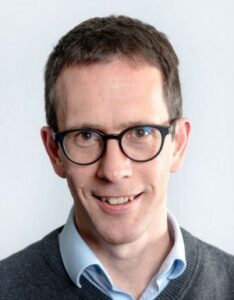
Greg Marsden, Chair of the Greener Transport Council, is Professor of Transport Governance at the Institute for Transport Studies at the University of Leeds. He is an expert in climate and energy policy in the transport sector and is the Transport Decarbonisation Champion for EPSRC. He is the Principal Investigator on the DecarboN8 network where he is responsible for integrating a new place based approach to decarbonising transport. Greg co-chairs the Commission on Travel Demand which has published influential studies on travel demand and shared mobility. He is the Secretary General of the World Conference on Transport Research Society and the Chair of the Special Interest Group on Governance, and has served as an advisor to the House of Commons Transport Select Committee.

Jillian Anable is Professor of Transport and Energy at the Institute for Transport Studies, University of Leeds. She currently leads the Transport and Mobility Theme in the UKRI’s Centre for Research on Energy Demand Solutions as well as the Energy for Mobility Theme of the UK Energy Research Centre. She has sat on a number of advisory boards and strategy panels for UK Government Departments, the Climate Change Committee, US Dept. of Energy, HoL Science and Tech Committee, RCUK and NGOs, most recently acting as Chair to the Research and Evidence Group for the Scottish National Transport Strategy Review and Steering Group member of the UK Government’s Electric Vehicle Energy Taskforce.
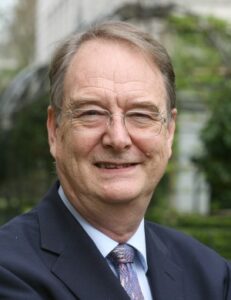
Stephen Glaister is Emeritus Professor of Transport and Infrastructure at Imperial College London and an Associate of the London School of Economics. He was Chair of the Office of Rail and Road 2016 – 18 and remains on the Board. He was a member of the Oakervee Review of HS2 and of the Transport for London Independent Review of funding after COVID-19. He was Director of the RAC Foundation, on the Board of Transport for London and a non-executive director of London Regional Transport. He served on the Steering Group for the Department for Transport’s 2004 National Road Pricing Feasibility Study and the first Advisory Committee on Trunk Road Assessment. He has been an Advisor to the Transport Select Committee and the Commission for Integrated Transport.
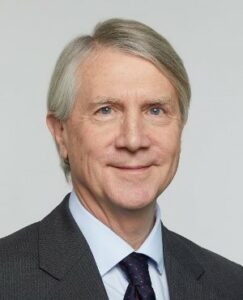
Peter Jones is Professor of Transport and Sustainable Development in the UCL Centre for Transport Studies. He is a member of the Independent Transport Commission, the DfT’s Science Advisory Council and co-chair of its Joint Analysis Development Panel. Also on the City of London Transport Strategy Board, the South-East Wales Transport Commission, the Dubai Council for Future Transportation, the Hong Kong ERP Advisory Panel and the CIHT Urban Design Panel. He leads several EU and ESRC projects, and in the EU SUMP-PLUS project is looking at transitions to sustainable urban mobility and enhanced cross-sector links, to deliver net zero carbon outcomes.
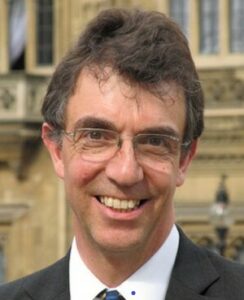
Stephen Joseph OBE is visiting Professor at the University of Hertfordshire and a transport policy consultant, specialising in urban and local issues and in smart transport. He was Chief Executive of Campaign for Better Transport from 1988 to 2018. Stephen was a member of the Commission for Integrated Transport from 1999-2005, having been one of the external advisers on the Transport White Paper 1997-8, and was a member of the Standing Advisory Committee on Trunk Road Assessment (SACTRA). He has served on panels advising Government on road-user charging, high speed rail, eco towns, transport appraisal and the Local Sustainable Transport Fund.
Glenn Lyons is the Mott MacDonald Professor of Future Mobility at the University of the West of England, Bristol. He has devoted his career to understanding and influencing the transport sector in a transitional period when the digital age has collided and merged with the motor age, giving rise to deep uncertainty about the future of mobility. He specialises in supporting public authorities in taking a vision-led approach to transport planning that can accommodate such uncertainty. The twin crises of the pandemic and climate change make this approach critical to pursing a greener, fairer future.

Hannah Bartram is Chief Executive Officer of the Association of Directors of Environment, Economy, Planning & Transport (ADEPT). She was previously at the Environment Agency, where she led national teams on policy areas including planning, growth & devolution, climate change and flood risk management, and spent 6 months in DCLG leading on reforms to the major planning regime. Prior to that she worked for the Royal Society for the Protection of Birds (RSPB) on international and domestic nature conservation issues. She is past chair of governors at Potton Federation and a trustee / honorary treasurer of the Beds, Cambs & Northants Wildlife Trust.
Paul Campion has been the CEO of TRL since July 2019. TRL is a world-renowned research, consultancy and software company which started life as the UK Government’s Transport Research Laboratory and has been working to make transport safer, cleaner and better for over 85 years. Previously Paul was the CEO of the Transport Systems Catapult, a not-for-profit organisation created by the government as part of the catapult network to grow the UK economy by supporting the growth of innovation in transport systems. Paul’s earlier career was at IBM helping companies and industries to transform through the application of new technology. He has done professional, management and executive jobs at UK, European and Worldwide level in the UK, USA, France and Switzerland.
Hilary Chipping is Chief Executive at the South East Midlands Local Enterprise Partnership (SEMLEP), which she helped to establish in 2011. She leads on setting the strategic economic priorities for the South East Midlands area, including overseeing a £265m programme of capital investment through the Local Growth Fund. During her tenure, SEMLEP has published the Local Industrial Strategy and Strategic Economic Plan for the area, Skills Plan and Energy Strategy. Hilary works closely with central Government, local authority, regional and private sector partners and the national network of Local Enterprise Partnerships to enable the delivery of infrastructure to unlock economic and housing growth, develop skills and create good quality places.
Leon Daniels OBE has an exceptional record of delivery and performance at the highest level of private and public sector organisations. He has worked with two London Mayors, as Managing Director, Surface Transport at Transport for London, with responsibility for delivery of all £3.5bn of road, light rail and transport services and all major, civil engineering infrastructure projects in the capital. Prior to joining TfL, in 1998 Leon had sold his own venture-capital backed business to a FTSE 100, multinational transport business. As Commercial Director UK Bus, he had responsibility for the Group’s Business Development and for delivering coach and bus services across the UK and internationally. He is a Vice President of the Chartered Institute of Logistics & Transport and Honorary Ambassador of UITP.
Andy Eastlake is the Senior Technical Advisor at Zemo Partnership (formerly Low CVP). Andy has a strong background in vehicle engineering and evaluation, specialising in powertrain developments, fuel economy and emissions. He was formerly Group Head of Commercial and Projects at Millbrook Proving Ground where he led the work on powertrain test and development programmes and alternative fuels for a variety of global OEM customers. Previously as Head of Laboratories, Andy was responsible for all technical aspects of the Millbrook business and for government and European legislative relations. He is also a Fellow of the Institution of Mechanical Engineers, served on the board of CENEX and sits a range of industry advisory bodies.

Victoria Hills MRTPI FICE is Chief Executive of the Royal Town Planning Institute with over 22 years in senior roles in planning, transport, organisational leadership and development. She latterly led the UK’s largest regeneration project at Old Oak. Using the convening role of the Institute, she makes the case for resourcing planning and advocating the important role of putting planning at the heart of government delivery for the quality places that people want to live in. Victoria is also currently serving as a Commissioner on the Essex Climate Action Commission and sits on the Advisory Group to the Government’s COVID-19 Recovery Commission.
Paul Hirst is Head of the Transport Sector Group at Addleshaw Goddard. With over 20 years’ experience, he is rated as one of the UK’s top transport lawyers with an unrivalled breadth of expertise across the sector. He is Chair of the Northern Powerhouse Partnership’s Transport and Connectivity Committee and a member of the Expert Advisory Board for the Institute of Transport Studies. Paul’s experience of advising transport operators and regulators on sustainability issues led to Addleshaw Goddard’s recent Countdown to Carbon Zero campaign and he continues to advise on projects designed to drive down carbon emissions.
Jonathan Morley is the Chief Executive of the Trueform Manufacturing & Technologies Group. He is a leader in the provision of passenger transport infrastructure and smart mobility solutions that facilitate and promote public transport, active travel, healthy streets, clean air, low and carbon free personal mobility. Over the last 25 years Jonathan has provided many of the largest and most successful public transport authorities and cities in the World with their supporting infrastructure within the bus, BRT, rail, pedestrian wayfinding, connected autonomous vehicle, E-mobility and telecommunications sectors. His mission is to help accelerate and equip the world towards sustainable mobility.
Kamal Panchal (Observer) is the LGA’s senior adviser on transport and local growth policy. He has over 25 years’ experience of local government working with local authorities, officials across Government departments, and expert organisations in the transport, environment and growth sector. Kamal has taken a strong interest in supporting member councils on transport decarbonisation, drawing together expertise across the sector for the benefit of local leaders and the communities they serve. With a core membership of 335, the LGA is the national membership body for local authorities which works on behalf of its member councils to support, promote and improve local government.

Anna Rothnie is a Principal Transport Planner with 9 years’ experience working in the private sector at a variety of scales – from a start-up through to multi-national engineering firms. Anna is passionate about ensuring that decarbonising the transport system considers the needs of future generations, and is delighted to be on the Greener Transport Council. Anna’s expertise centres around engagement, from co-design with end-users of transport services through to scenario planning with clients and stakeholders including the UK’s Department for Transport. Anna is increasingly involved in net zero transport projects and brings experience of considering how emerging technologies could help us achieve a net zero transport system.
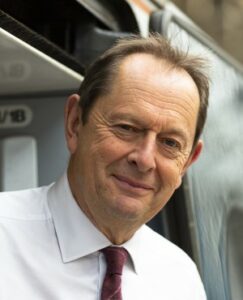
Anthony Smith is the former Chief Executive of Transport Focus the independent statutory consumer watchdog for Britain’s rail passengers, users of the Strategic Road Network and bus, coach and tram passengers outside London. Transport Focus uses its substantial evidence base to drive change for all transport users. Anthony qualified as a solicitor then worked for five years as principal consumer lawyer for the Consumers’ Association, publishers of Which? This was followed by a year as the legal consultant for Consumers International, a worldwide federation of consumer groups. Prior to joining Transport Focus, Anthony was deputy and acting director of ICSTIS, the then regulator of premium rate telephone services.